A Complete Guide to Varanasi’s Ghats
The ghats of Varanasi are among the most special places to visit in India
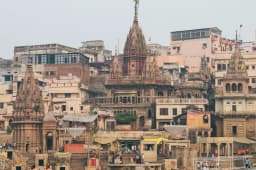
. Built along the banks of the sacred Ganga, these steps are closely connected with the religious, cultural, and everyday life of the city. Some ghats are known for morning prayers and boat rides, while others are connected with temples, history, meditation, and traditional rituals.
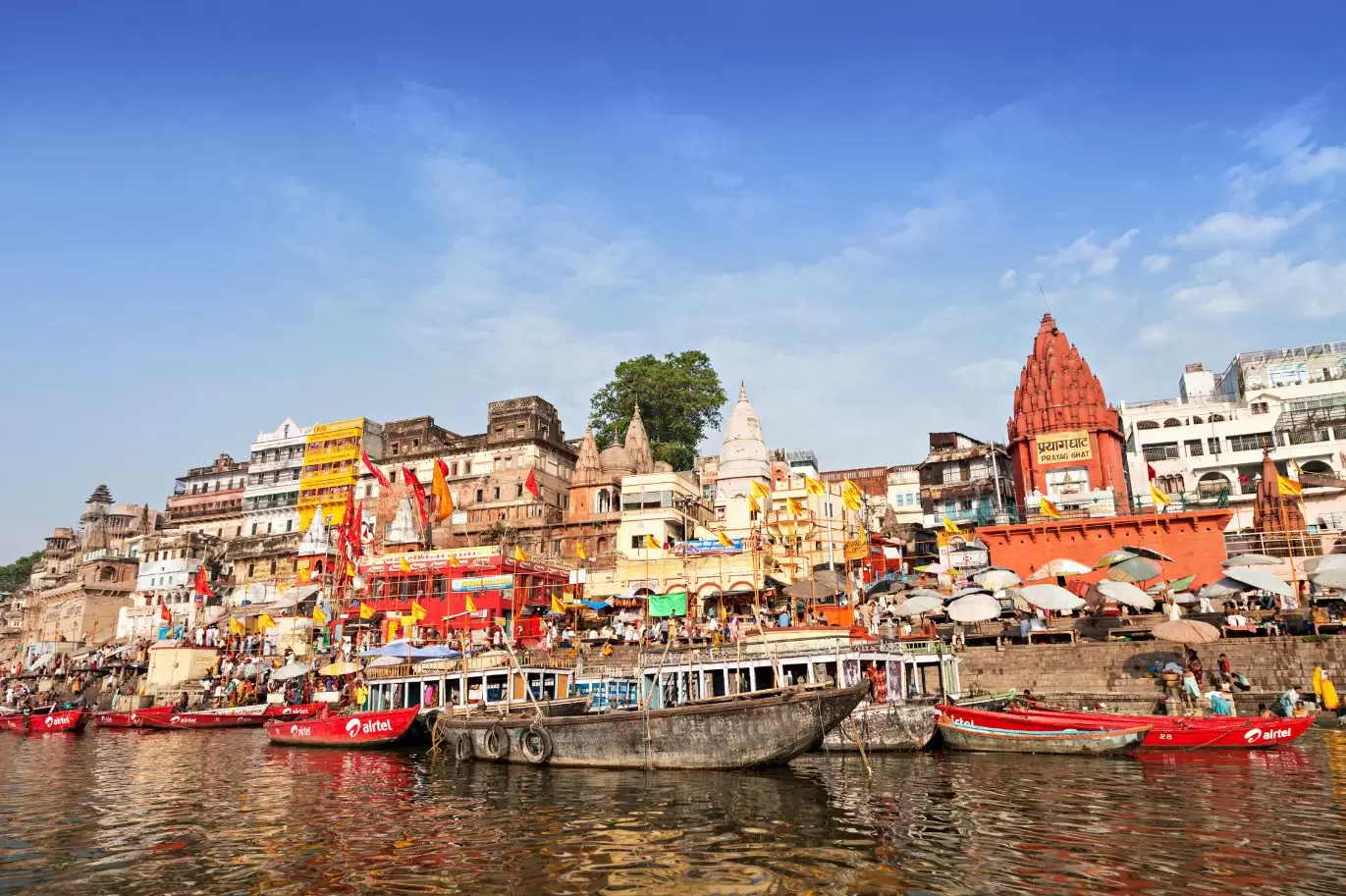
There are many ghats along the river, each with its own story and character. From the lively Assi Ghat in the south to the peaceful Adi Keshav Ghat in the north, a walk along the Varanasi ghats gives visitors a chance to experience different sides of Kashi.
Assi Ghat: A Peaceful Start to Your Ghat Journey
Located where the Assi River meets the Ganga, Assi Ghat is one of the most popular ghats in Varanasi. It is especially known for its peaceful morning atmosphere and the Subah-e-Banaras programme, where visitors can experience yoga, music, prayers, and the beauty of sunrise beside the river.
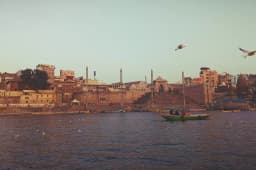
The area around Assi Ghat is also popular with travellers, students, and visitors looking for cafés and a relaxed atmosphere. A morning boat ride from here is a wonderful way to see the changing colours of the Ganga and the long line of Varanasi ghats.
Nearby ghats such as Tulsi Ghat also have strong connections with the city's literary and religious history. Tulsi Ghat is associated with Goswami Tulsidas and his connection with the Ramcharitmanas.
Kedar Ghat and Harishchandra Ghat: Faith and Tradition
As you move north, Kedar Ghat stands out for its colourful surroundings and strong connection with Lord Shiva. The ghat is dedicated to Kedareshwar and is particularly important for devotees. Its South Indian influence also makes it visually different from several other ghats along the river.
Another important place in this part of the city is Harishchandra Ghat, one of the traditional cremation ghats of Varanasi. It is associated with King Harishchandra and the values of truth, duty, and sacrifice. The ghat offers a different perspective of Varanasi, where spiritual beliefs and the realities of life and death can be seen together.
Visitors should approach cremation ghats with respect and avoid taking photographs of funeral ceremonies without permission.
Dashashwamedh Ghat: The Heart of Varanasi
If you are visiting Varanasi for the first time, Dashashwamedh Ghat is one of the places you will probably hear about most often. Located close to the Kashi Vishwanath Temple area, it is one of the busiest and most famous ghats in Varanasi.
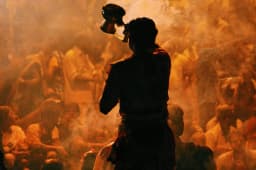
The ghat is particularly famous for the evening Ganga Aarti, when priests perform prayers beside the Ganga. The sound of bells, chants, lamps, and the river creates an experience that many visitors remember long after their Varanasi trip.
During the day, the ghat remains active with pilgrims, priests, local visitors, and tourists. Boat rides from nearby areas also provide a beautiful view of the ghat from the river.
For travellers interested in Varanasi sightseeing, Dashashwamedh Ghat is an important place to include in their itinerary.
Manikarnika Ghat: Understanding the Spiritual Side of Kashi
Manikarnika Ghat is one of the most significant cremation ghats in Varanasi. According to Hindu belief, cremation at this sacred place is associated with moksha, or liberation from the cycle of rebirth.
The ghat is surrounded by ancient stories and religious traditions connected with Lord Shiva and Goddess Parvati. Unlike the colourful and festive atmosphere seen at some other ghats, Manikarnika has a serious and deeply personal atmosphere.
For tourists, visiting this area is less about sightseeing and more about understanding an important part of the spiritual traditions of Kashi. Respect for families, funeral rituals, and local customs is essential.
Panchganga to Adi Keshav: A Quieter Side of the Ghats
Not every ghat in Varanasi is crowded. Some offer a quieter experience and allow visitors to enjoy the river at a slower pace.
Panchganga Ghat is an important spiritual site and is traditionally believed to be connected with the meeting of five sacred rivers. The ghat has long been associated with saints, scholars, meditation, and religious learning.
Further north, visitors can explore ghats such as Trilochan Ghat, Prahlad Ghat, Raj Ghat, and finally Adi Keshav Ghat. Adi Keshav is located near the meeting point of the Varuna River and the Ganga and is associated with Lord Vishnu. Compared with the busiest central ghats, this area can feel much more peaceful.
This northern stretch is a good choice for travellers who want to see a less crowded side of Banaras ghats and experience the city beyond its most famous tourist spots.
Other Famous Ghats You Can Explore in Varanasi
The beauty of Varanasi lies in the variety of its riverfront. Tulsi Ghat, Chet Singh Ghat, Hanuman Ghat, Scindia Ghat, Bhonsale Ghat, Darbhanga Ghat, Man Mandir Ghat, Nepali Ghat, and several others each have their own history, architecture, temples, and local traditions.
Some ghats are connected with royal families and old palaces, while others developed around temples, monasteries, local communities, or traditional occupations. Darbhanga Ghat, for example, is known for its impressive palace architecture, while Nepali Ghat is known for its distinctive Nepalese-style wooden temple.
This is why exploring the 84 ghats of Varanasi is not simply about visiting one famous location. Each stretch of the riverfront reveals another part of the city's history and culture.
Stay Close to Varanasi’s Attractions at The Elegance Hotel
A comfortable hotel can make your Varanasi trip easier, especially when you want to explore the ghats, temples, markets, and other important attractions around the city.
The Elegance Hotel offers a convenient stay for travellers visiting Varanasi. After spending time exploring the Ganga ghats, attending the evening Ganga Aarti, visiting temples, or enjoying a boat ride, having a comfortable place to return to can make the journey more relaxing.
Whether you are planning a short Varanasi visit or a longer holiday, choosing a well-connected stay can help you make better use of your time. From exploring the famous ghats to discovering the spiritual and cultural side of Kashi, The Elegance can be a comfortable base for your Varanasi experience.
Experience the Ghats of Varanasi
The Ganga ghats of Varanasi are much more than a sightseeing attraction. They are places where prayers, festivals, daily life, history, architecture, and centuries-old traditions come together beside the river.
A sunrise boat ride, a morning walk at Assi Ghat, the evening Ganga Aarti at Dashashwamedh, the historic atmosphere around Manikarnika, or a quiet visit to the northern ghats can each give you a different experience.
If you are planning a Varanasi tour, try to spend enough time along the river rather than rushing from one place to another. Walk slowly, observe the surroundings, and experience the atmosphere of Kashi. The ghats are one of the best ways to understand why Varanasi remains such a special destination for travellers from across India and around the world.
FAQs About Varanasi Ghats
1. How many ghats are there in Varanasi?
Varanasi is traditionally associated with 84 ghats along the Ganga, although the riverfront has changed and expanded over time.
2. Which is the most famous ghat in Varanasi?
Dashashwamedh Ghat is one of the most famous ghats in Varanasi and is well known for the evening Ganga Aarti.
3. Which ghat is best for sunrise in Varanasi?
Assi Ghat is a popular choice for watching the sunrise and enjoying the peaceful morning atmosphere beside the Ganga.
4. Can tourists visit Manikarnika Ghat?
Yes, visitors can visit Manikarnika Ghat, but they should maintain silence and respect the families and funeral rituals taking place there.
5. What is the best way to explore the ghats of Varanasi?
You can explore the ghats by walking along the riverfront or taking a boat ride on the Ganga. A combination of both gives you a better view of the city.